

For off-road motorcycle distributors and equipment buyers, choosing a dirt bike involves more than checking engine displacement or exterior design. Riders expect responsive acceleration, stable handling, and dependable performance across different trail conditions. At the same time, dealers need products that are practical to maintain and suitable for their target markets. A High-Performance Gas Dirt Bike needs to balance engine output, frame construction, riding comfort, and maintenance requirements to meet these expectations.
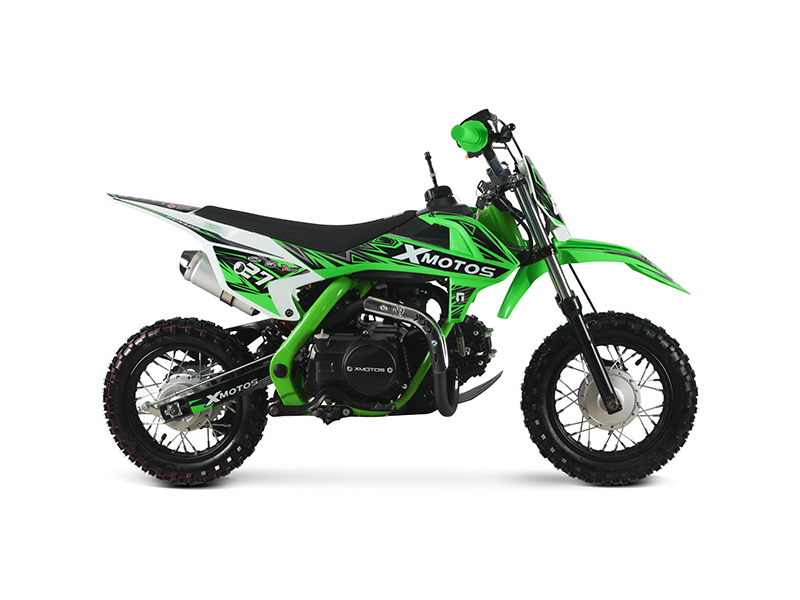
Off-road trails rarely offer consistent riding conditions. A bike may move from a flat dirt road to a loose gravel section or a steep incline within a short distance. Under these conditions, throttle response and power delivery directly affect the riding experience.
When selecting a gas-powered dirt bike, buyers should pay attention to:
As a manufacturer, we consider these factors together rather than treating engine power as an isolated selling point.
Dirt bikes frequently encounter uneven surfaces, loose soil, stones, and repeated impacts. A frame that cannot handle these conditions may affect handling and increase maintenance concerns.
For wholesale buyers, frame material, welding quality, structural design, and component assembly deserve close attention. Suspension configuration also matters because front and rear suspension work together to absorb impacts and maintain tire contact with the ground.
A suitable combination of frame strength and suspension performance helps create a more controlled riding experience. These details are particularly important for dealers serving customers who regularly ride on trails rather than paved roads.
Tire design influences traction, braking, and cornering on different surfaces. Knobby tires are commonly used on dirt bikes because their tread patterns help maintain grip on loose terrain.
Ground clearance is another consideration. Insufficient clearance can increase the risk of the underside contacting rocks, roots, or uneven ground. Buyers should compare tire dimensions, suspension travel, and ground clearance with the intended riding environment.
For distributors, offering models suited to different terrain preferences can also make product selection easier for local dealers.
Performance is important, but a motorcycle also needs to feel manageable during actual use. Seat shape, handlebar position, footpeg placement, and overall riding posture all influence comfort.
An unsuitable riding position may cause fatigue, particularly during longer off-road sessions. Buyers should therefore consider the relationship between seat height and the intended rider group.
Manufacturers should also pay attention to control accessibility and the overall layout of the riding position. These details can influence how easily riders adapt to a new model.
For businesses importing gas dirt bikes, after-sales support is an important part of product selection. Engine components, air filters, brake systems, chains, and sprockets all require regular inspection or servicing.
A practical maintenance design can make routine work easier for repair shops and end users. Before placing a bulk order, distributors should confirm:
Clear maintenance documentation also helps local dealers provide consistent support after delivery.
Product consistency is a major concern for international buyers purchasing multiple units. Differences in assembly, component fitting, or finishing can create additional work for distributors.
Our manufacturing inspection process should cover engine operation, starting function, brake response, control assembly, fastener security, and general appearance. Packaging and protective materials also need attention to reduce the risk of transport damage.
For OEM and wholesale cooperation, buyers should discuss product specifications, configuration requirements, spare parts, packaging details, and inspection arrangements before confirming an order.
Different markets have different expectations regarding engine capacity, rider experience, terrain, and local regulations. A model intended for recreational trail riding may require a different configuration from one designed for more demanding off-road applications.
Distributors should evaluate the complete product configuration instead of relying on engine specifications alone. Matching performance, maintenance requirements, and local market demand helps create a more practical purchasing decision.
A well-designed High-Performance Gas Dirt Bike brings together responsive engine performance, durable construction, manageable handling, and convenient maintenance. As a manufacturer, we focus on these practical details when developing products for international distributors and wholesale buyers seeking dependable off-road motorcycle solutions.

Start Your Off Road Journey
+86 158 6791 6333
xmotos308@gmail.com
No. 2, Jinniu Road, Niubeijin Village, Baiyang Street, Jinhua, Zhejiang, China


 English
 русский
 Español