

When sourcing off-road motorcycles, distributors often focus on engine specifications, but actual riding performance depends on how different components work together. Buyers need models that can handle changing terrain, maintain stable operation, and remain practical to service after delivery. A High-Performance Gas Dirt Bike should provide a balanced combination of power delivery, suspension response, braking control, and mechanical reliability. These details also influence customer satisfaction and the long-term value of a dealer's product range.
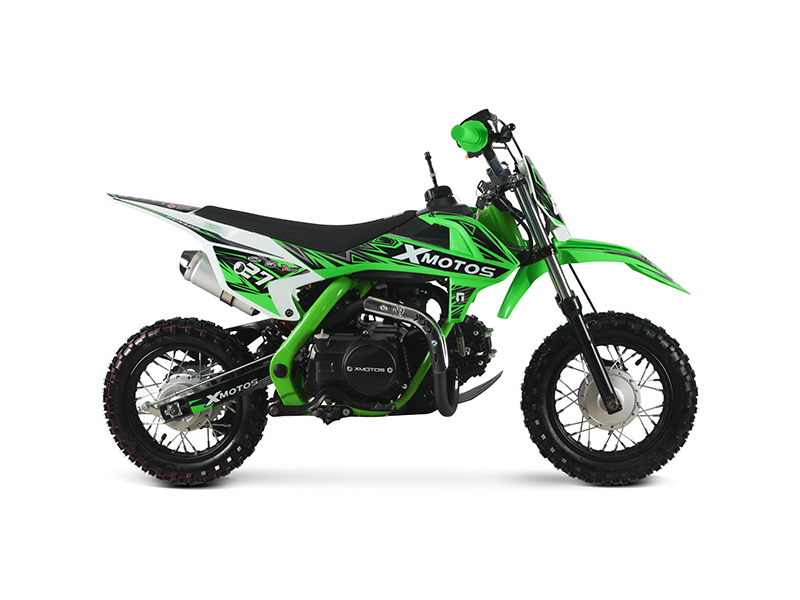
A dirt bike needs to respond smoothly when riders accelerate, slow down, or move across uneven ground. The transmission system plays an important role in transferring engine power to the rear wheel.
When evaluating a gas dirt bike, buyers should consider the relationship between engine output, gear ratios, and riding conditions. A suitable transmission setup helps riders manage acceleration on different surfaces without making the motorcycle difficult to control.
For manufacturers, consistent assembly and proper adjustment of transmission components are essential. These details deserve attention during production inspection, particularly when preparing motorcycles for wholesale orders.
Loose soil, small rocks, tree roots, and unexpected bumps place continuous demands on a dirt bike's suspension system. If the suspension is poorly matched to the motorcycle's weight and intended use, riders may experience excessive vibration or reduced handling confidence.
Front forks and rear shock absorbers should work together to absorb impacts while maintaining stability. Buyers comparing different models should examine suspension construction, adjustment options, travel, and compatibility with the intended rider group.
A suitable suspension setup can also reduce unnecessary stress on other motorcycle components during regular off-road use.
Acceleration attracts attention, but braking performance is equally important. Dirt surfaces can change quickly, and loose gravel or wet soil may affect tire grip.
When sourcing motorcycles, distributors should check:
Disc brake systems are commonly found on off-road motorcycles, but their performance also depends on proper installation, maintenance, and tire condition.
Dust is a regular concern for motorcycles operating on unpaved trails. Fine particles entering the engine intake can contribute to internal wear and affect engine operation.
An effective air filtration arrangement helps reduce this risk. Buyers should examine filter accessibility, sealing around the airbox, and the convenience of routine cleaning or replacement.
From a manufacturing perspective, air intake protection should be considered during component layout and assembly. A design that allows straightforward filter maintenance is also useful for distributors supporting customers in dusty riding environments.
The chain drive transfers engine power to the rear wheel and experiences considerable exposure to dirt, moisture, and debris. Incorrect chain tension or insufficient lubrication can accelerate wear and poor power transmission.
For regular maintenance, riders should check chain tension, lubrication, sprocket tooth condition, and alignment. Distributors should also confirm whether replacement chains and sprockets can be sourced conveniently.
Providing clear maintenance guidance helps local dealers answer common customer questions and reduces avoidable service issues.
For overseas importers, product quality needs to remain consistent across individual units in a shipment. A motorcycle may have suitable specifications on paper, but component fitting and assembly quality still influence its actual performance.
Our production inspection should include engine starting, throttle operation, braking response, suspension movement, chain alignment, electrical connections, and fastener security. Packaging protection also deserves attention, especially when motorcycles are shipped over long distances.
Buyers can discuss inspection standards and spare parts arrangements before confirming bulk purchasing requirements.
Not every market has the same expectations. Some distributors focus on recreational trail motorcycles, while others serve experienced off-road riders who require different engine characteristics and component configurations.
Before selecting a model, importers should consider rider experience, local terrain, maintenance capabilities, applicable vehicle regulations, and available service support.
A well-configured High-Performance Gas Dirt Bike combines responsive power, controlled braking, practical suspension, and accessible maintenance. As a manufacturer, we pay attention to these connected details to support distributors and wholesale buyers looking for off-road motorcycles that suit their customers' actual riding needs.

Start Your Off Road Journey
+86 158 6791 6333
xmotos308@gmail.com
No. 2, Jinniu Road, Niubeijin Village, Baiyang Street, Jinhua, Zhejiang, China


 English
 русский
 Español