

For off-road motorcycle distributors, product durability is closely connected to customer satisfaction and after-sales costs. Riders often take their bikes through muddy paths, rocky trails, loose gravel, and uneven forest roads. These conditions place repeated pressure on the engine, suspension, wheels, and frame. When selecting a High-Performance Gas Dirt Bike, buyers should look beyond appearance and engine capacity to understand how its components perform during regular off-road use. For manufacturers, building a dependable motorcycle starts with choosing suitable materials and paying attention to assembly details.
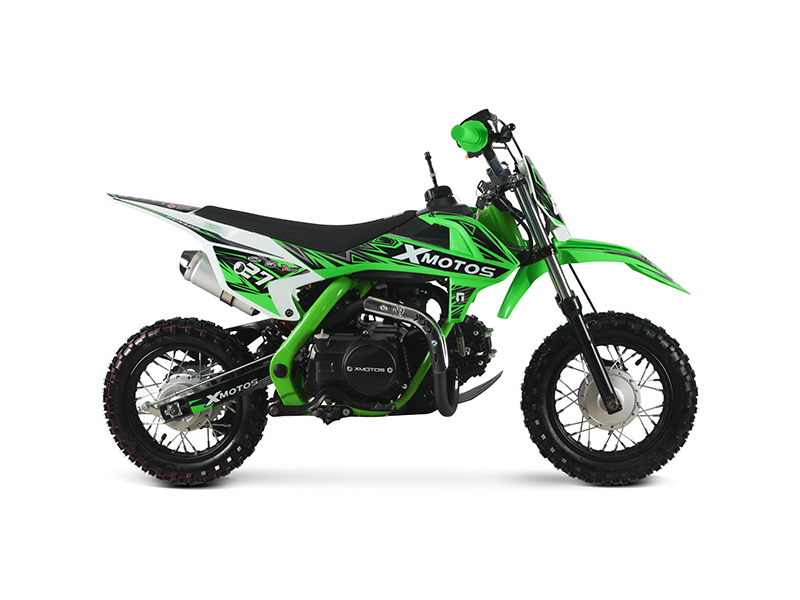
Off-road riding can involve frequent acceleration, changing engine loads, and operation in dusty surroundings. These conditions make engine protection an important part of motorcycle design.
Buyers should examine the cooling arrangement, lubrication system, air filtration, and accessibility of routine inspection points. The air filter deserves particular attention because dirt and fine particles can enter the intake when riding on dry trails.
A practical engine layout should allow users to inspect and maintain important components without unnecessary disassembly. This also makes routine servicing easier for local repair shops and motorcycle dealers.
Wheels experience repeated impacts when motorcycles travel over stones, holes, and uneven ground. Their construction and compatibility with the tire setup can affect handling and riding stability.
When comparing models, wholesale buyers should consider:
Tire selection should also match the intended terrain. Knobby tread patterns are widely used for dirt riding because they provide traction on loose surfaces. However, tire pressure and regular inspection remain necessary for safe operation.
The frame connects the motorcycle's major components and supports loads generated during riding. Poor structural design or inconsistent welding can create problems when a bike is repeatedly exposed to vibration and impacts.
As a manufacturer, we pay attention to frame geometry, welding consistency, mounting points, and component alignment during production. These details influence not only structural strength but also the installation of the engine, suspension, and other assemblies.
For importers purchasing in volume, checking frame finishing and assembly consistency across samples can provide useful information before placing a larger order.
Suspension components work continuously when a dirt bike moves across uneven surfaces. Dust, mud, and moisture can affect exposed parts, particularly when cleaning and inspection are neglected.
Fork seals, shock absorbers, mounting points, and suspension fasteners should receive regular attention. Riders should also select suspension settings according to their weight and riding conditions where adjustment is available.
From a product development perspective, component accessibility and suitable protective design can make maintenance more convenient for end users.
Motorcycles used outdoors are exposed to moisture, mud, and changing weather. Metal parts without suitable surface protection may develop corrosion over time, especially when stored in damp environments.
Buyers should inspect coating quality, exposed metal surfaces, fasteners, and welded areas. Attention should also be given to storage and packaging conditions during international transportation.
For distributors, consistent finishing across a shipment helps maintain product presentation and reduces avoidable concerns when motorcycles reach local warehouses.
Even well-assembled motorcycles require routine servicing and occasional component replacement. Dealers need access to commonly requested parts to keep customer support manageable.
Before ordering, importers should discuss the supply of:
A clear spare parts arrangement helps distributors plan inventory and respond to maintenance requests more efficiently.
Durability is not determined by a single component. Engine protection, frame construction, suspension design, wheel quality, and maintenance access all contribute to the ownership experience.
Distributors should compare these features alongside engine specifications, rider requirements, local terrain, and applicable market regulations. They should also confirm product configurations and quality inspection arrangements with the supplier before placing bulk orders.
A properly configured High-Performance Gas Dirt Bike combines practical component selection with consistent manufacturing and accessible maintenance. We focus on these details to help international distributors source off-road motorcycles that meet real riding requirements and support their long-term business operations.

Start Your Off Road Journey
+86 158 6791 6333
xmotos308@gmail.com
No. 2, Jinniu Road, Niubeijin Village, Baiyang Street, Jinhua, Zhejiang, China


 English
 русский
 Español